Why the 4×4 m size is the king of sales tents?
Successful mobile sales start with a quality base, but the real difference lies in space efficiency. A 4×4 m pop-up sales tent offers a generous 16 m² of covered area, representing the ideal compromise between maximum sales capacity and reasonable handling requirements. While with smaller tents you struggle for every centimetre of space for your goods, 16 square metres allow you to create clear aisles and a comfort zone for customers even during rain. Despite its size, this model remains highly mobile thanks to its concertina (scissor) structure – you can set it up in minutes, saving time where every minute counts before the market opens.
Why is choosing the right equipment so important?
Many novice sellers make the fundamental mistake of underestimating preparation and focusing on the cheapest available solutions. However, years of field experience clearly show that investing in a professional pop-up sales tent pays off very quickly. Such a setup provides not only 100% protection from an unexpected downpour or the harsh summer sun but also guarantees high stability during stronger wind gusts thanks to its robust construction.
Imagine a situation where the weather suddenly turns. Customers naturally look for shelter. Your safe, dry, and aesthetically pleasing space can instantly become the main point of interest in the entire marketplace. Moreover, the speed and efficiency with which you can set up your tent in the morning and take it down in the evening save you valuable energy. You can then devote this to what matters most – the sale itself, building relationships with clients, and presenting your products at the highest level.
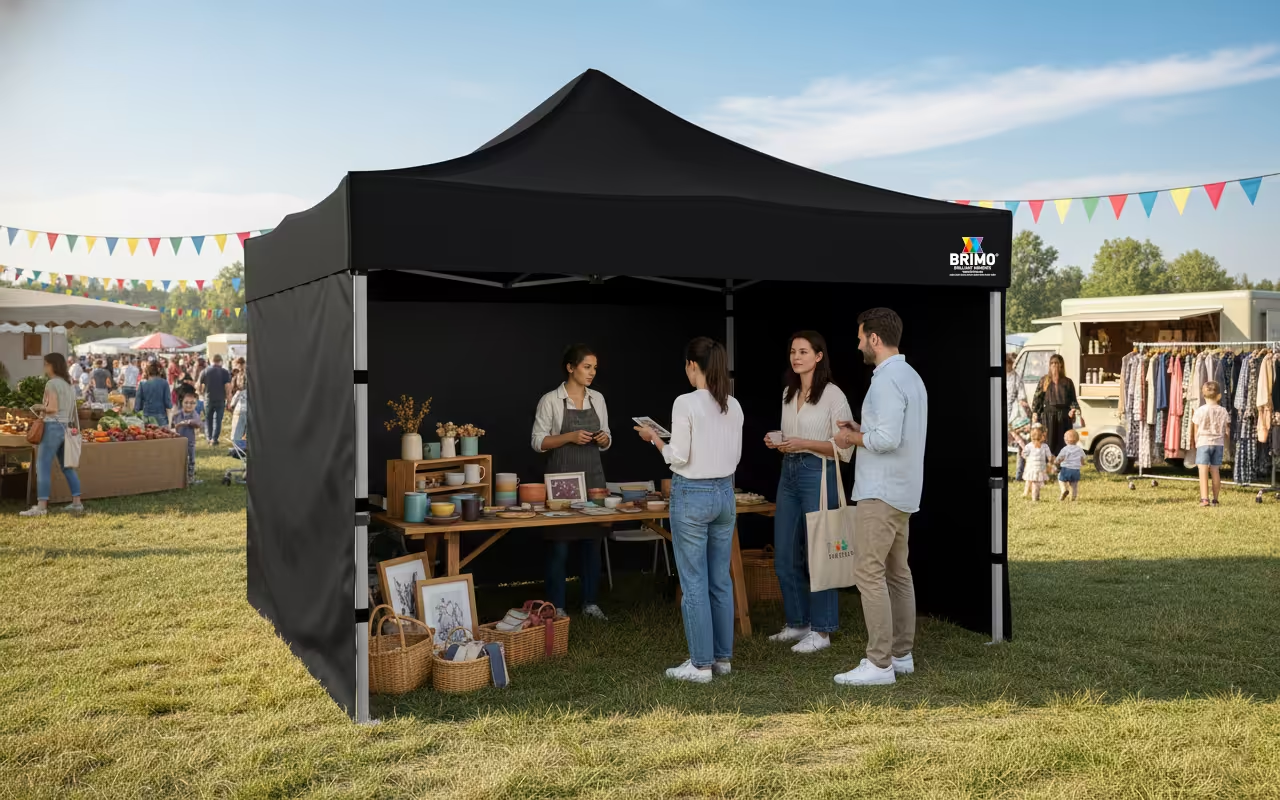
The Secret to Successful Sales: More Than Just a Roof Over Your Head
Strategic Placement and Environmental Adaptation
Before you even unfold your tent, map out the terrain. Tracking the sun's movement and wind direction is key to a successful day. Customers won't want to shop if the sun is shining directly into their eyes or if a strong wind is blowing on them. By correctly orienting your pop-up sales tent, you ensure not only pleasant shade for shoppers but also a protected environment for your goods. Face the open side of the booth toward the main flow of people. If possible, use side walls to create a windbreak – this simple step will significantly increase the time visitors spend at your stall.
The Psychology of Layout: Clarity Sells
Chaos discourages customers. If your goods are cluttered on the table, the client will quickly lose interest and move to the competition. Create logical zones within your pop-up sales tent. Place the most attractive newcomers and promotional products at eye level and in the front line. Use tiered displays to visually increase the range and save table space. A clean sales counter, visible price tags, and enough space to move create a sense of professionalism and build instant trust in your brand.
How Accessories Turn an Ordinary Tent into a Premium Space
It's often the details that decide your success in the market. Well-chosen accessories can fundamentally influence how customers perceive your sales space and whether they feel safe in it. See the table below to see how specific additions and upgrades change the overall shopping experience.
| Stall Accessory | Practical Use for the Seller | Psychological Impact on the Customer |
|---|---|---|
| Side Walls (Full / with Window) | Protection from wind, rain, and side sun. Clear boundary of the sales area. | Creates a cozy "brick-and-mortar" feel and provides privacy when choosing goods. |
| LED Lighting | Extends sales time during evening events, festivals, and winter markets. | Attracts the eye from a distance, looks warm, and visually highlights product quality. |
| Branding (Advertising Print) | Passive marketing directly on-site. Immediate differentiation from dozens of other stalls. | Builds trust and professionalism. The customer remembers the brand more easily and returns. |
| Leg Weights | Prevent the stall from lifting or dangerously shifting during sudden weather changes. | The customer feels safe under your roof even during unfavorable weather conditions. |
As you can see, thoughtful equipment and logical space management can work wonders. With a well-equipped and organized pop-up sales tent, you are not just another seller in the row, but a true professional who values the comfort of their customers.
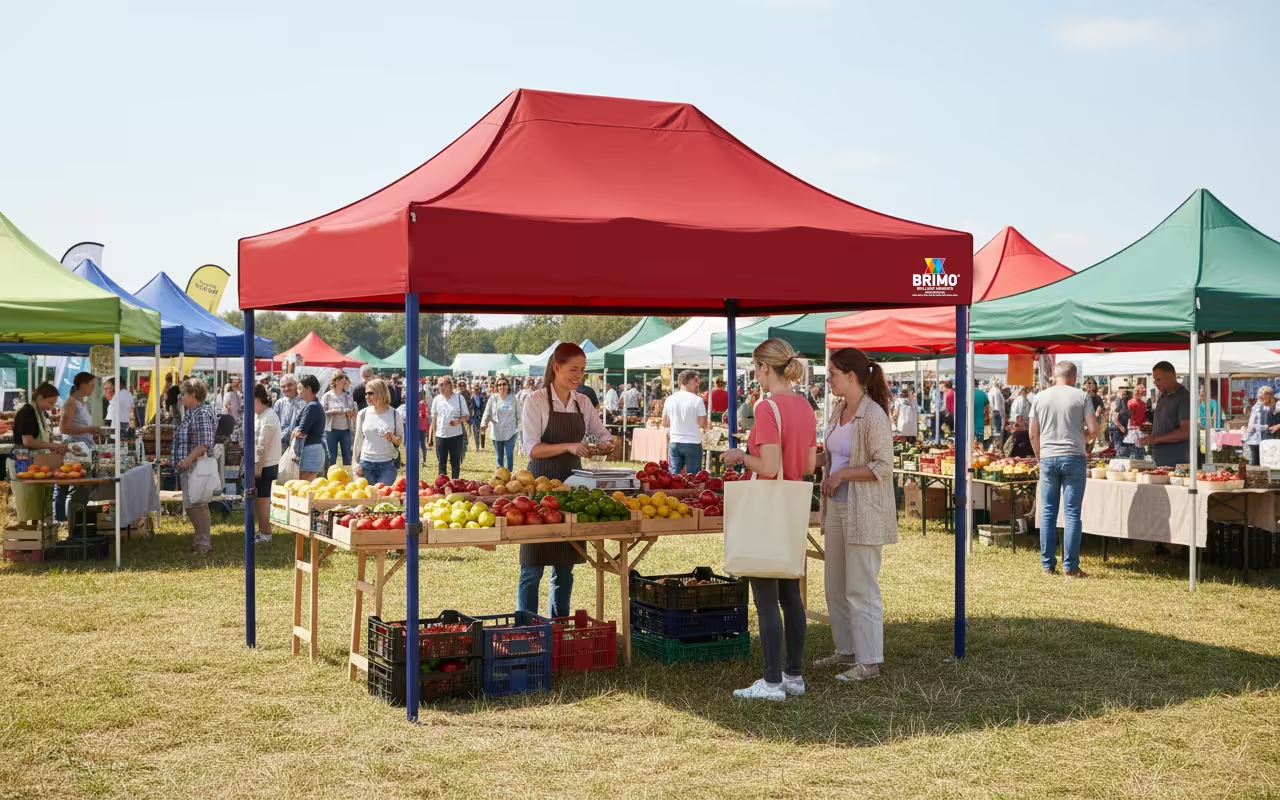
An Investment That Returns with Every Sale
Mobile sales is a dynamic world where success is decided by details and the ability to adapt to conditions. The right pop-up sales tent is not just a cost item in your accounting but a loyal partner that will support you in heatwaves and storms. If you add logical product arrangement and professional behavior, you will create a place where customers will love to return. Remember that your tent is your business card – make sure it is the best one in the whole market.
Practical Questions and Answers for Mobile Sales
1. How to extend the life of my sales tent and keep it in perfect condition?
The basis of long life is primarily correct handling and thorough storage. Never pack roof sheets or side walls if they are still damp from rain or morning dew. Moisture trapped in airtight packaging can cause mold and unpleasant odors, which permanently damages the material and weakens its waterproof properties. After every event, we recommend letting the tent dry completely in an unfolded state. It is also important to regularly check the cleanliness of the structure and, if necessary, remove mechanical impurities that could damage the hinge mechanisms during folding.
2. Is the weight of the goods on the sales tables enough to secure the tent?
From a safety perspective, such a solution is absolutely insufficient. The goods on the tables are not firmly connected to the tent structure and therefore do not function as a stabilizing element. During a sudden gust of wind, the tent can lift, endangering not only your goods but also the safety of passing customers. It is always necessary to use certified anchoring systems, such as steel weights, sandbags, or water weights fixed directly to each leg of your pop-up sales tent. Proper anchoring significantly increases structural stability and prevents deformation due to adverse weather.
3. How to proceed with installation on uneven ground or sloping terrain?
Uneven ground, such as potholes at fairs or slight slopes on festival meadows, are common challenges. Professional pop-up sales tents are equipped with telescopic legs with a multi-stage height adjustment system. This allows you to individually adjust the length of each leg separately, achieving a perfectly horizontal position for the roof and sales counter even on complicated surfaces. A stable and level setup is key not only for the aesthetic impression but also for the proper functionality of the scissor mechanism, which must not be exposed to excessive tension due to uneven loading.
Written by:
Mark Nel
About the Author
Mark Nel – Expert in modern solutions and the implementation of innovative technologies in portable structures and tent systems, with over a decade of experience in adaptable structures for various events and professional projects.
He studied the implementation of new technologies and information systems in developing countries at the University of Johannesburg and actively participates in collaboration on designing and verifying innovative tents that guarantee safety, rapid assembly, and material durability.
His contributions focus on practical advice regarding the selection, maintenance, and safe use of pop-up tents and the integration of innovative solutions into daily operations.